Απολογισμός Humanity Greece 2026 @ Stelios Foundation
Σας προσκαλούμε σε μια ξεχωριστή εκδήλωση, για να μοιραστούμε όσα ζήσαμε και όσα καταφέραμε τη φετινή περίοδο, μέσα από τη δράση μ...
19Οκτ 2026
Δευτέρα 18:00 - 20:00
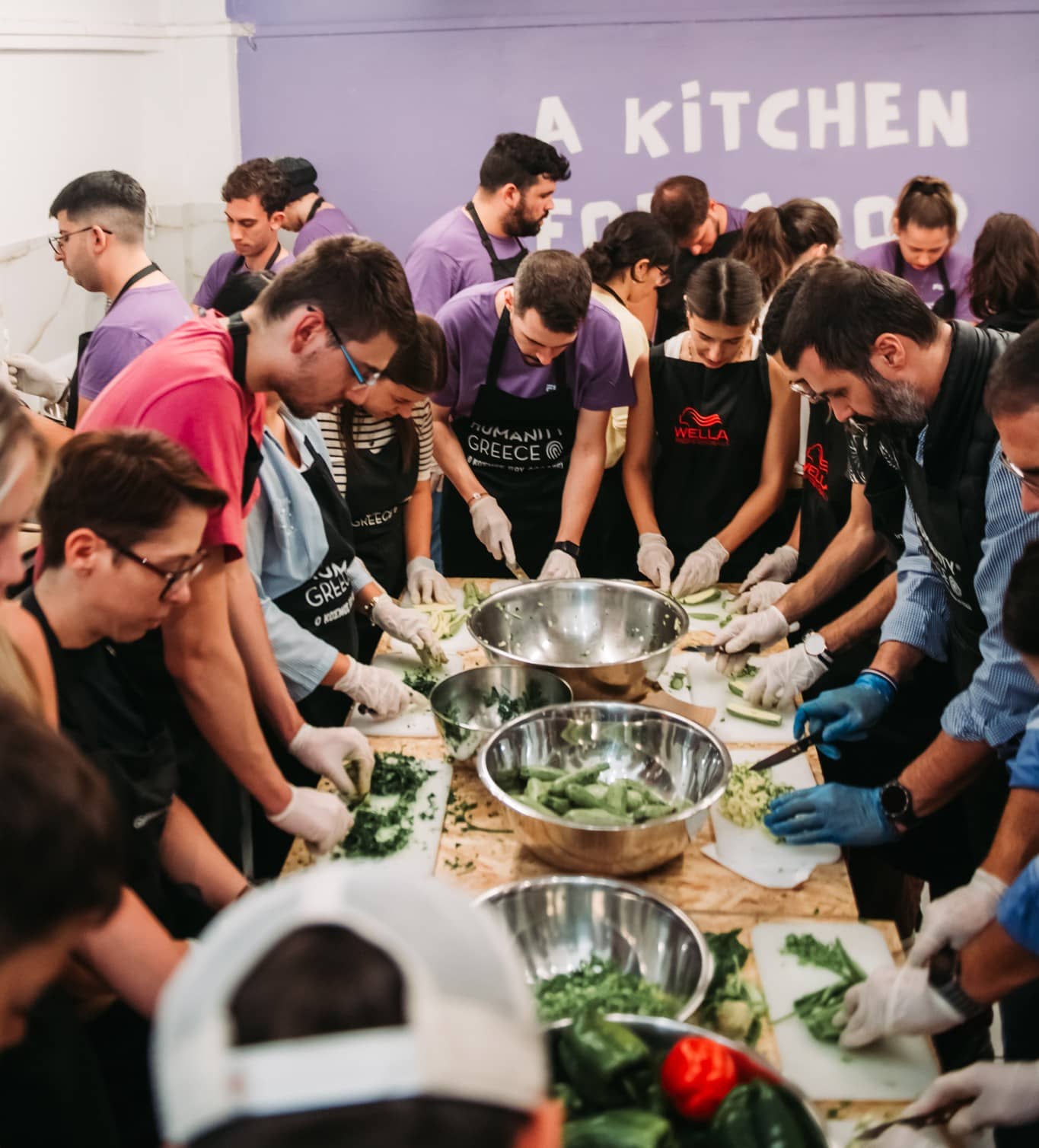
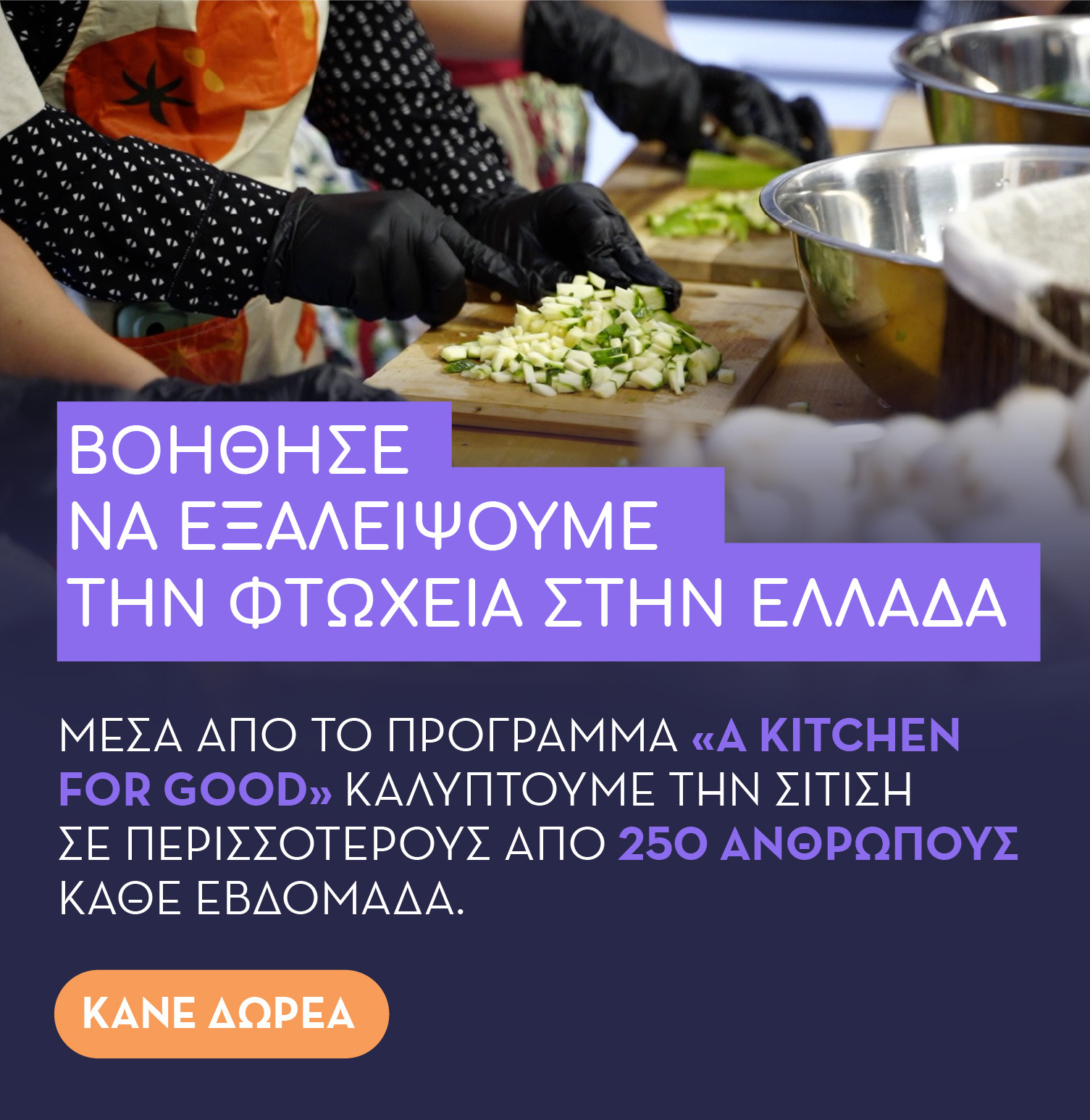
A Kitchen for Good
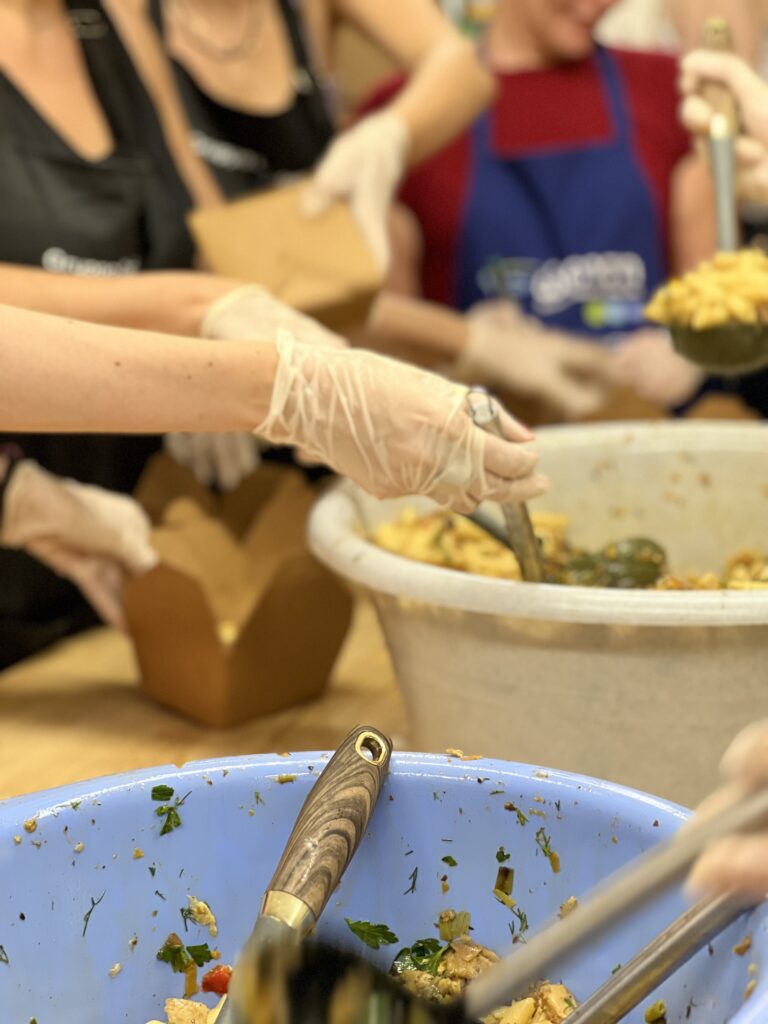
Κάθε Δευτέρα απόγευμα σταθερά, με την στήριξη του efood μαγειρεύουμε φρέσκο φαγητό & το μοιράζουμε σε ευάλωτο και άστεγο πληθ...
26Οκτ 2026
Δευτέρα 18:00 - 20:00
A Kitchen for Good
Κάθε Δευτέρα απόγευμα σταθερά, με την στήριξη του efood μαγειρεύουμε φρέσκο φαγητό & το μοιράζουμε σε ευάλωτο και άστεγο πληθ...
HUMANITY GREECE
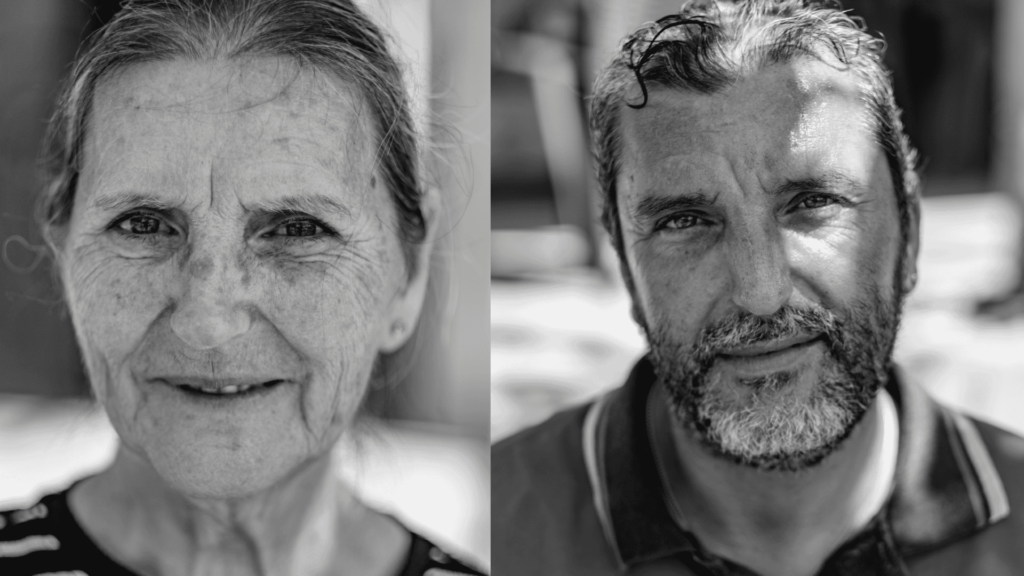
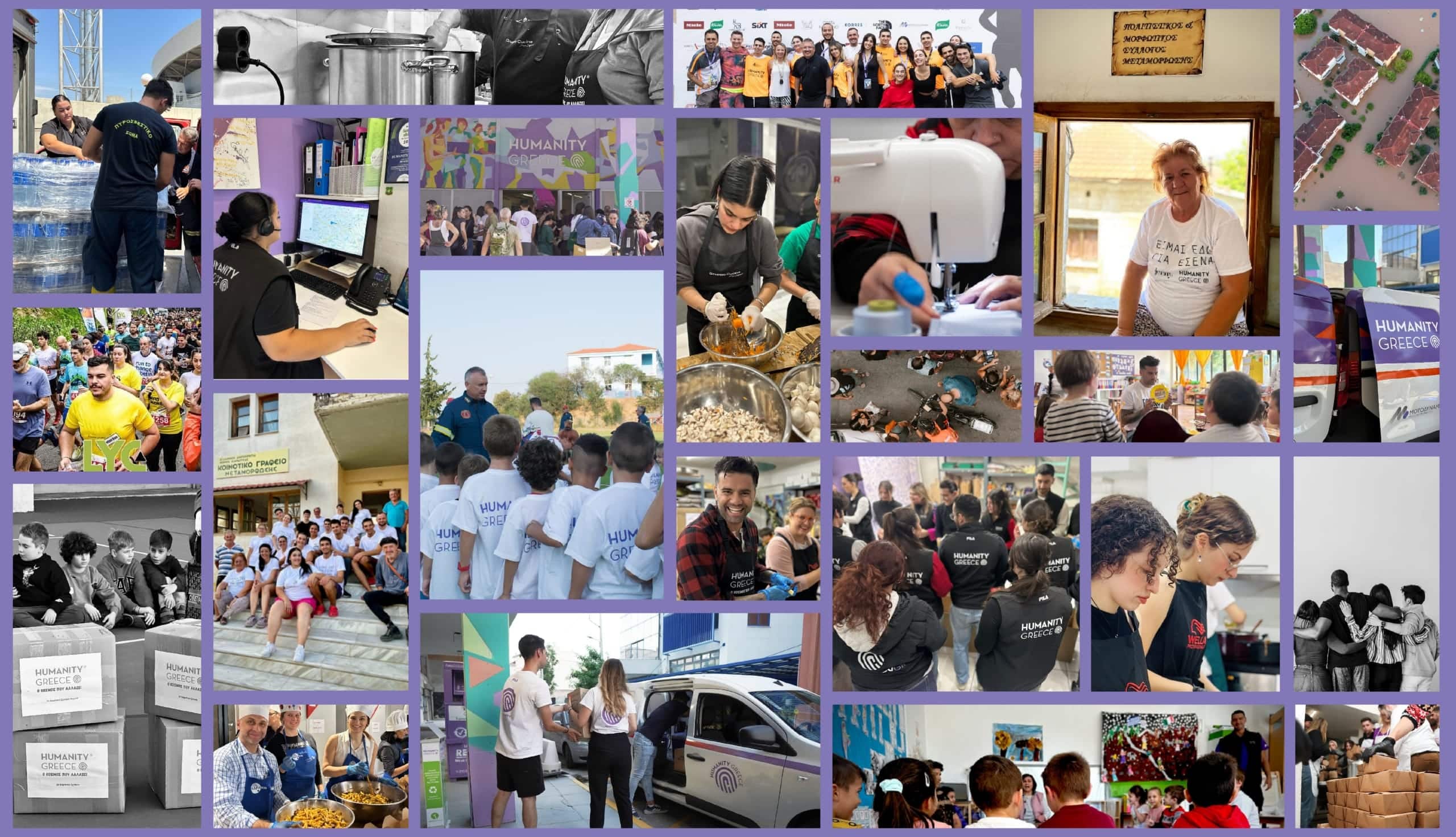
Σε κάθε φωτιά, πλημμύρα ή σεισμό πολλοί άνθρωποι χάνουν το σπίτι, την περιουσία, τις μνήμες, την ασφάλεια τους. Σε αυτούς τους ανθρώπους στεκόμαστε δίπλα. Η Humanity Greece δημιουργήθηκε για να στηρίζει τις κοινότητες που δοκιμάζονται από φυσικές καταστροφές με άμεση βοήθεια, ουσιαστική παρουσία και παροχή όλων των βασικών αγαθών. Μέσα στο φετινό έτος θα στηριχτούν περισσότεροι από 20.000 ευάλωτοι πολίτες με την δική σας βοήθεια.
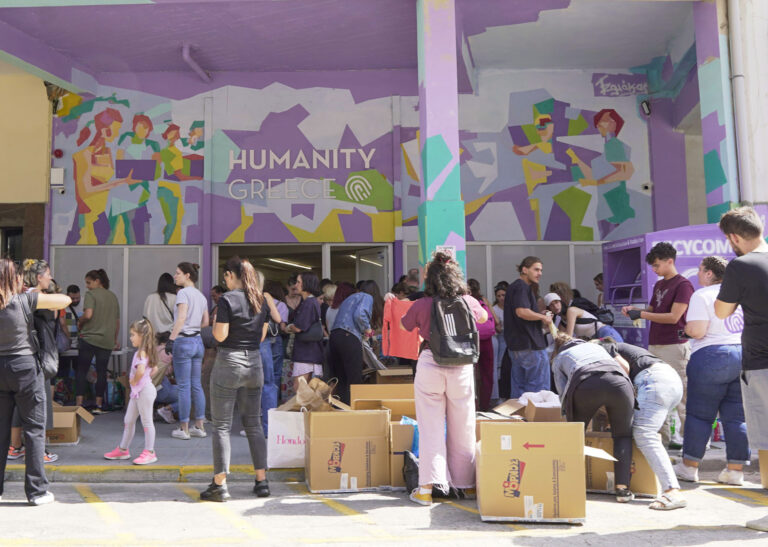
Από τις πρώτες ώρες μιας καταστροφής, οι ομάδες μας βρίσκονται στο πεδίο παρέχοντας άμεση βοήθεια σε ανθρώπους που έχασαν τα πάντα. Γίνε σήμερα εθελοντής στο έργο μας.
Από τις πρώτες ώρες μιας καταστροφής, οι ομάδες μας βρίσκονται στο πεδίο παρέχοντας άμεση βοήθεια σε ανθρώπους που έχασαν τα πάντα. Γίνε σήμερα εθελοντής στο έργο μας.
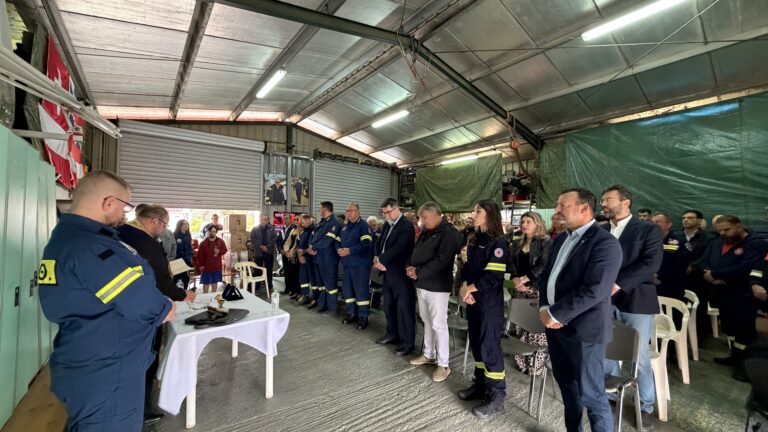
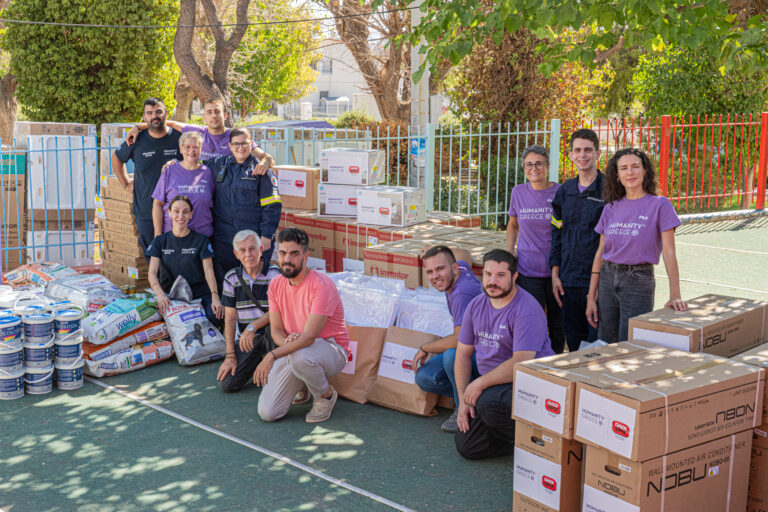
Εγκαίνια του Κέντρου Επιχειρήσεων στο Πυροσβεστικό Σώμα εθελοντών Νέου Βουτζά με την στήριξη της Humanity Greece
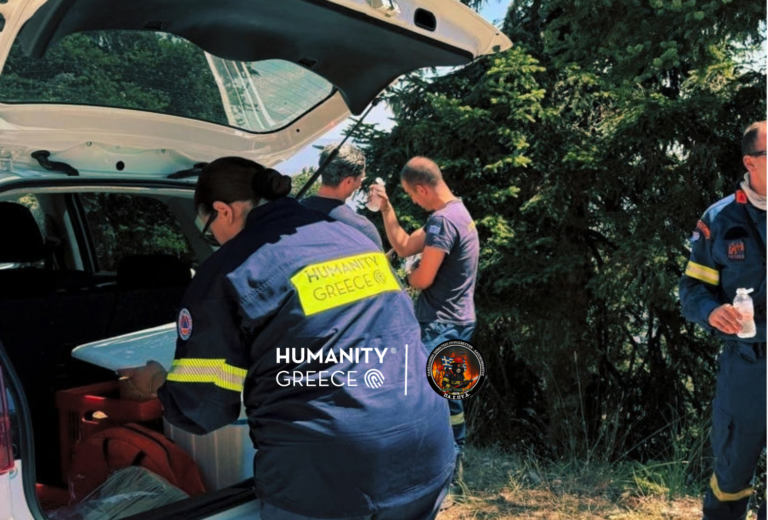
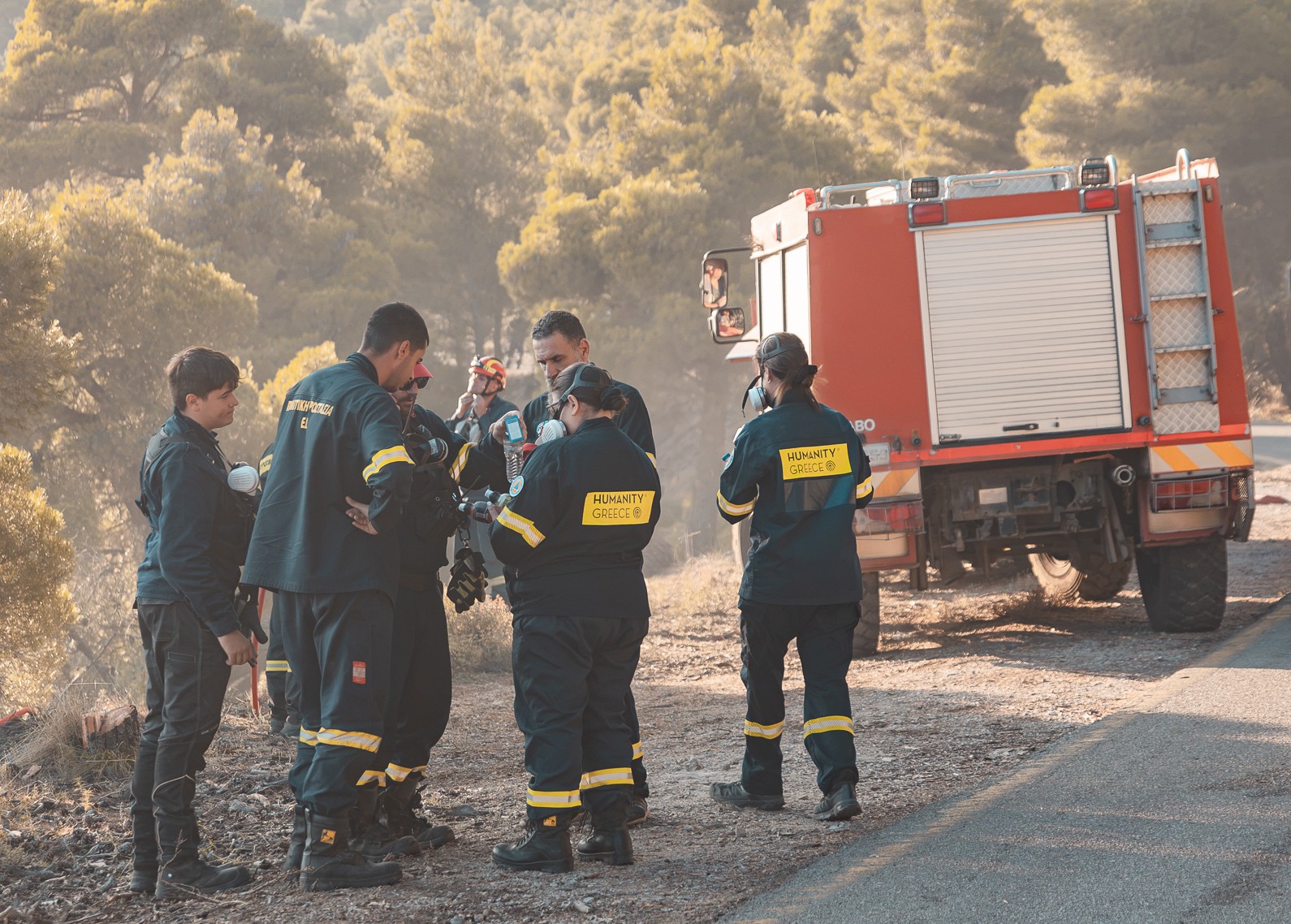
Humanity Greece και ΠΑ.Σ.ΠΥ.Δ. ενώνουν δυνάμεις για τη στήριξη των Πυροσβεστών – Δασοκομάντος
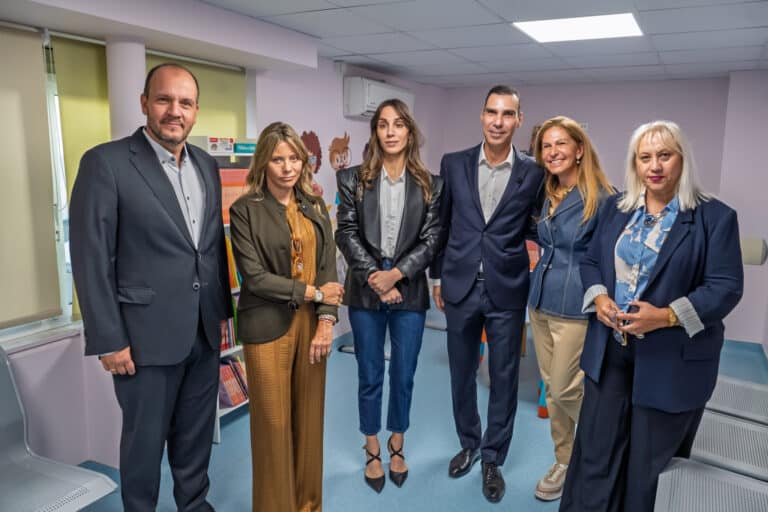
24 νέες βιβλιοθήκες γεμάτες παιδικά βιβλία στους χώρους αναμονής του Νοσοκομείου Παίδων «Η Αγία Σοφία»
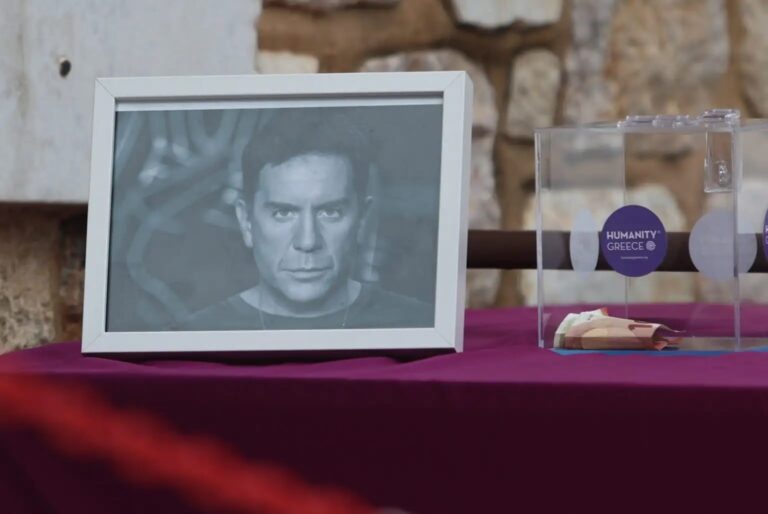
Freenow by Lyft & Humanity Greece: Έμπρακτη υποστήριξη των εθελοντών στην πρώτη γραμμή των έκτακτων αναγκών
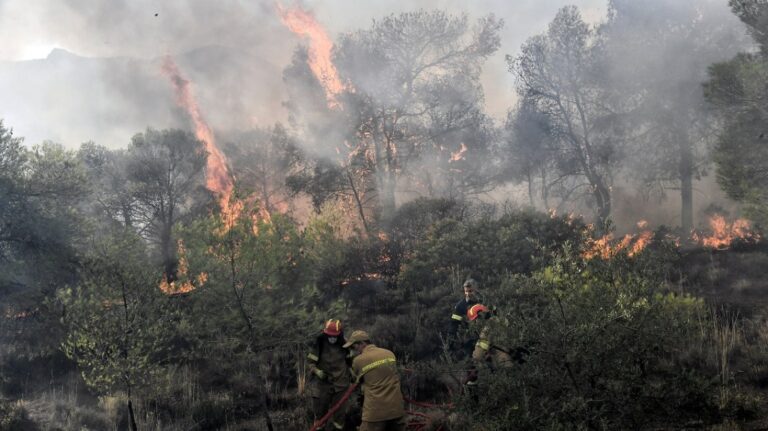
ΑΝΤΙΠΥΡΙΚΗ ΠΕΡΙΟΔΟΣ
Όταν ξεσπά μια πυρκαγιά, κάθε λεπτό μετράει. Ομάδες μας βρίσκονται στο πεδίο, στηρίζοντας ανθρώπους που έχουν χάσει το σπίτι και την ασφάλεια τους. Με τη δική σου στήριξη, μπορούμε να ανταποκριθούμε πιο γρήγορα και να βοηθήσουμε περισσότερες οικογένειες.
Απολογισμός Humanity Greece 2026 @ Stelios Foundation
Σας προσκαλούμε σε μια ξεχωριστή εκδήλωση, για να μοιραστούμε όσα ζήσαμε και όσα καταφέραμε τη φετινή περίοδο, μέσα από τη δράση μ...
19Οκτ 2026
Δευτέρα 18:00 - 20:00
A Kitchen for Good
Κάθε Δευτέρα απόγευμα σταθερά, με την στήριξη του efood μαγειρεύουμε φρέσκο φαγητό & το μοιράζουμε σε ευάλωτο και άστεγο πληθ...
26Οκτ 2026
Δευτέρα 18:00 - 20:00
A Kitchen for Good
Κάθε Δευτέρα απόγευμα σταθερά, με την στήριξη του efood μαγειρεύουμε φρέσκο φαγητό & το μοιράζουμε σε ευάλωτο και άστεγο πληθ...
E-SHOP
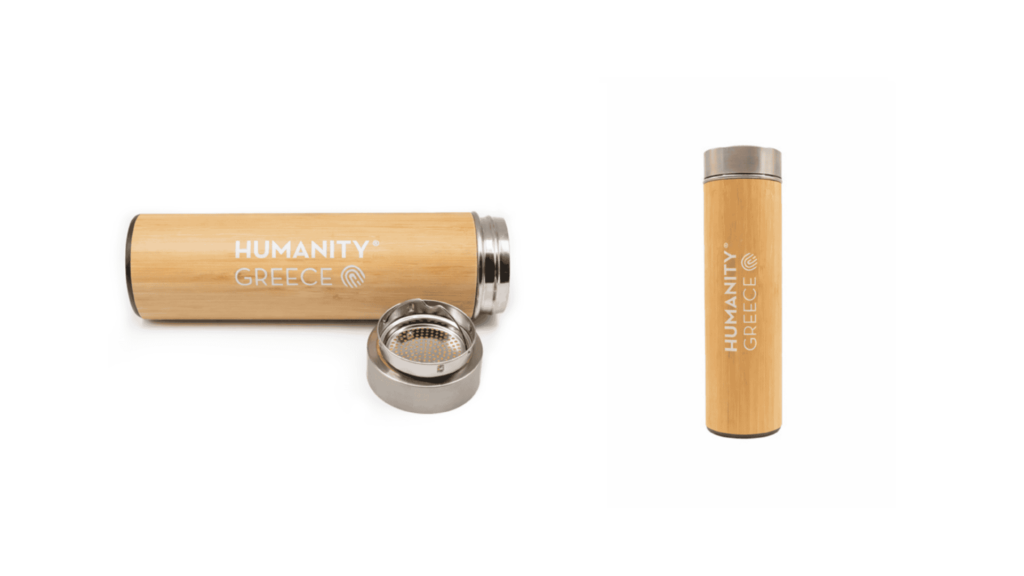
Με κάθε αγορά από το e-shop της Humanity Greece στηρίζεις μια αλυσίδα προσφοράς και αλληλεγγύης για ευάλωτους ανθρώπους. Τα έσοδα ενισχύουν άμεσα το ανθρωπιστικό έργο της ομάδας, εκεί που υπάρχει ανάγκη.
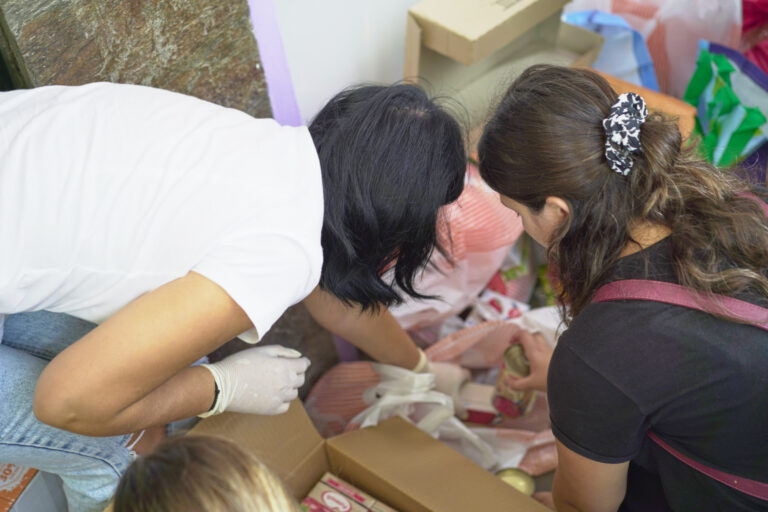
Βοήθησέ μας να συνεχίσουμε να στηρίζουμε κάθε μήνα οικογένειες που ζουν στα όρια της φτώχειας και έχασαν το σπίτι τους. Με τη συνεισφορά σου προσφέρουμε τα απαραίτητα είδη για μια αξιοπρεπή καθημερινότητα.
Σε περιοχές που πλήττονται από καταστροφές, κρίσιμες δομές όπως σχολεία και ιατρεία καταστρέφονται. Στη Humanity Greece φροντίζουμε για την αποκατάσταση και επαναλειτουργία τους, δίνοντας ξανά ζωή στις τοπικές κοινότητες.
We firmly believe that the internet should be available and accessible to anyone, and are committed to providing a website that is accessible to the widest possible audience,
regardless of circumstance and ability.
To fulfill this, we aim to adhere as strictly as possible to the World Wide Web Consortium’s (W3C) Web Content Accessibility Guidelines 2.1 (WCAG 2.1) at the AA level.
These guidelines explain how to make web content accessible to people with a wide array of disabilities. Complying with those guidelines helps us ensure that the website is accessible
to all people: blind people, people with motor impairments, visual impairment, cognitive disabilities, and more.
This website utilizes various technologies that are meant to make it as accessible as possible at all times. We utilize an accessibility interface that allows persons with specific
disabilities to adjust the website’s UI (user interface) and design it to their personal needs.
Additionally, the website utilizes an AI-based application that runs in the background and optimizes its accessibility level constantly. This application remediates the website’s HTML,
adapts Its functionality and behavior for screen-readers used by the blind users, and for keyboard functions used by individuals with motor impairments.
If you’ve found a malfunction or have ideas for improvement, we’ll be happy to hear from you. You can reach out to the website’s operators by using the following email
Screen-reader and keyboard navigation
Our website implements the ARIA attributes (Accessible Rich Internet Applications) technique, alongside various different behavioral changes, to ensure blind users visiting with
screen-readers are able to read, comprehend, and enjoy the website’s functions. As soon as a user with a screen-reader enters your site, they immediately receive
a prompt to enter the Screen-Reader Profile so they can browse and operate your site effectively. Here’s how our website covers some of the most important screen-reader requirements,
alongside console screenshots of code examples:
Screen-reader optimization: we run a background process that learns the website’s components from top to bottom, to ensure ongoing compliance even when updating the website.
In this process, we provide screen-readers with meaningful data using the ARIA set of attributes. For example, we provide accurate form labels;
descriptions for actionable icons (social media icons, search icons, cart icons, etc.); validation guidance for form inputs; element roles such as buttons, menus, modal dialogues (popups),
and others. Additionally, the background process scans all of the website’s images and provides an accurate and meaningful image-object-recognition-based description as an ALT (alternate text) tag
for images that are not described. It will also extract texts that are embedded within the image, using an OCR (optical character recognition) technology.
To turn on screen-reader adjustments at any time, users need only to press the Alt+1 keyboard combination. Screen-reader users also get automatic announcements to turn the Screen-reader mode on
as soon as they enter the website.
These adjustments are compatible with all popular screen readers, including JAWS and NVDA.
Keyboard navigation optimization: The background process also adjusts the website’s HTML, and adds various behaviors using JavaScript code to make the website operable by the keyboard. This includes the ability to navigate the website using the Tab and Shift+Tab keys, operate dropdowns with the arrow keys, close them with Esc, trigger buttons and links using the Enter key, navigate between radio and checkbox elements using the arrow keys, and fill them in with the Spacebar or Enter key.Additionally, keyboard users will find quick-navigation and content-skip menus, available at any time by clicking Alt+1, or as the first elements of the site while navigating with the keyboard. The background process also handles triggered popups by moving the keyboard focus towards them as soon as they appear, and not allow the focus drift outside of it.
Users can also use shortcuts such as “M” (menus), “H” (headings), “F” (forms), “B” (buttons), and “G” (graphics) to jump to specific elements.
Disability profiles supported in our website
Epilepsy Safe Mode: this profile enables people with epilepsy to use the website safely by eliminating the risk of seizures that result from flashing or blinking animations and risky color combinations.
Visually Impaired Mode: this mode adjusts the website for the convenience of users with visual impairments such as Degrading Eyesight, Tunnel Vision, Cataract, Glaucoma, and others.
Cognitive Disability Mode: this mode provides different assistive options to help users with cognitive impairments such as Dyslexia, Autism, CVA, and others, to focus on the essential elements of the website more easily.
ADHD Friendly Mode: this mode helps users with ADHD and Neurodevelopmental disorders to read, browse, and focus on the main website elements more easily while significantly reducing distractions.
Blindness Mode: this mode configures the website to be compatible with screen-readers such as JAWS, NVDA, VoiceOver, and TalkBack. A screen-reader is software for blind users that is installed on a computer and smartphone, and websites must be compatible with it.
Keyboard Navigation Profile (Motor-Impaired): this profile enables motor-impaired persons to operate the website using the keyboard Tab, Shift+Tab, and the Enter keys. Users can also use shortcuts such as “M” (menus), “H” (headings), “F” (forms), “B” (buttons), and “G” (graphics) to jump to specific elements.
Additional UI, design, and readability adjustments
Font adjustments – users, can increase and decrease its size, change its family (type), adjust the spacing, alignment, line height, and more.
Color adjustments – users can select various color contrast profiles such as light, dark, inverted, and monochrome. Additionally, users can swap color schemes of titles, texts, and backgrounds, with over 7 different coloring options.
Animations – epileptic users can stop all running animations with the click of a button. Animations controlled by the interface include videos, GIFs, and CSS flashing transitions.
Content highlighting – users can choose to emphasize important elements such as links and titles. They can also choose to highlight focused or hovered elements only.
Audio muting – users with hearing devices may experience headaches or other issues due to automatic audio playing. This option lets users mute the entire website instantly.
Cognitive disorders – we utilize a search engine that is linked to Wikipedia and Wiktionary, allowing people with cognitive disorders to decipher meanings of phrases, initials, slang, and others.
Additional functions – we provide users the option to change cursor color and size, use a printing mode, enable a virtual keyboard, and many other functions.
Browser and assistive technology compatibility
We aim to support the widest array of browsers and assistive technologies as possible, so our users can choose the best fitting tools for them, with as few limitations as possible. Therefore, we have worked very hard to be able to support all major systems that comprise over 95% of the user market share including Google Chrome, Mozilla Firefox, Apple Safari, Opera and Microsoft Edge, JAWS and NVDA (screen readers), both for Windows and for MAC users.
Notes, comments, and feedback
Despite our very best efforts to allow anybody to adjust the website to their needs, there may still be pages or sections that are not fully accessible, are in the process of becoming accessible, or are lacking an adequate technological solution to make them accessible. Still, we are continually improving our accessibility, adding, updating and improving its options and features, and developing and adopting new technologies. All this is meant to reach the optimal level of accessibility, following technological advancements. For any assistance, please reach out to